
Air Freight vs. Sea Freight for Southeast Asia: A Cost and Transit Time Comparison
Air Freight vs. Sea Freight for Southeast Asia: A Cost and Transit Time Comparison
Choosing between air freight and sea freight for a Southeast Asia shipment is a cost-and-speed decision, not a matter of one mode being better in general. Air cargo is generally billed on chargeable weight — the greater of actual weight and volumetric weight — and is measured in days. Sea cargo is billed per cubic meter for less-than-container-load (LCL) shipments or per container for full container load (FCL), and is measured in weeks. For exporters moving goods from Guangzhou and South China into Southeast Asia, almost every mode question reduces to those two billing facts, plus one more: how much a late delivery would actually cost the business.
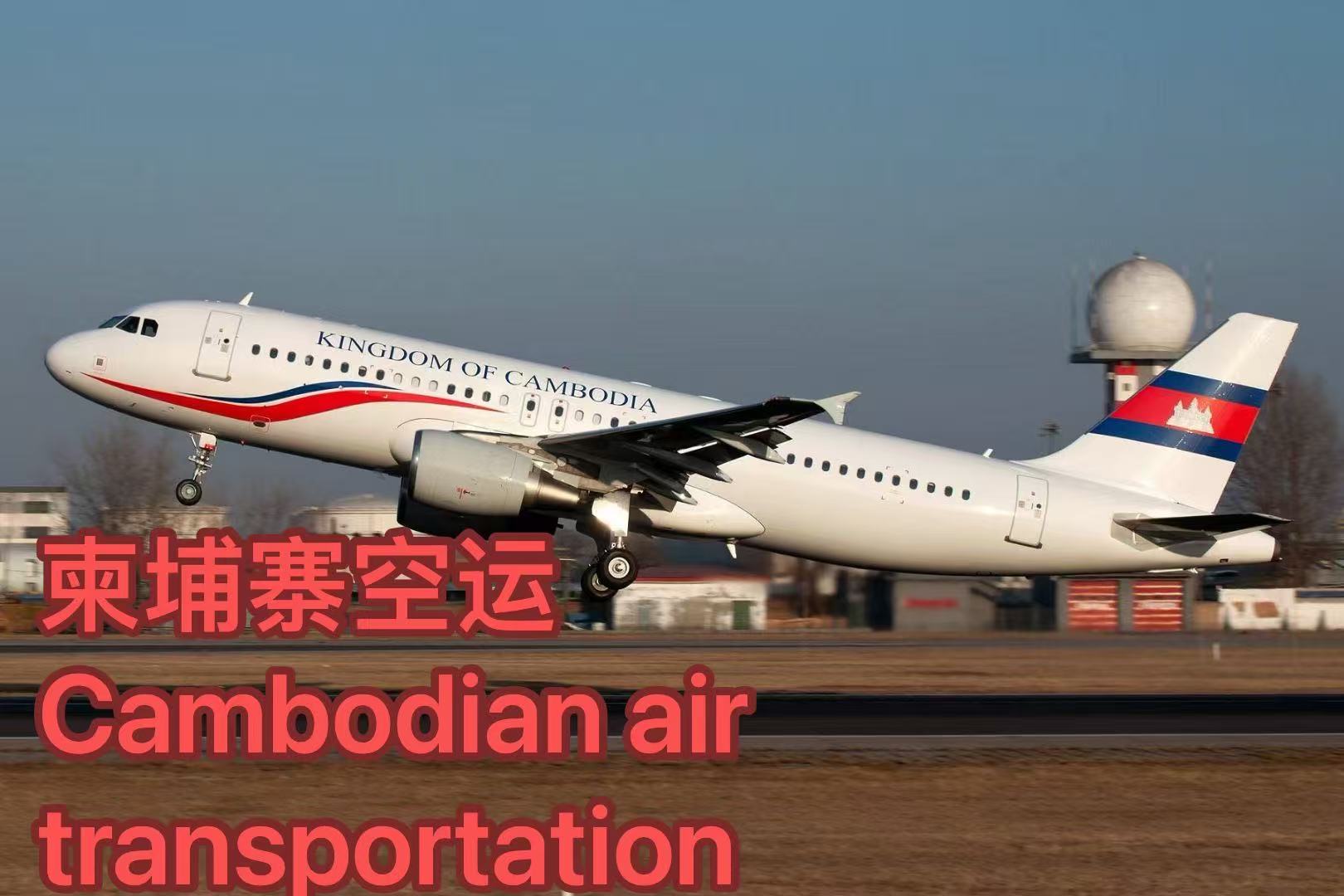
Air freight consolidation for a Southeast Asia consignment moving out of South China.
This comparison is written for exporters, logistics managers and procurement staff who are still in the research stage — weighing modes before committing to a carrier, a schedule or a rate. It uses the verified operating capacity of Guangzhou Shunhang International Freight Forwarding Co., Ltd., an international freight forwarder established in 2020, so the comparison stays grounded in what a forwarder can actually execute on air and sea lanes into Southeast Asia.
Why Comparing Air and Sea Quotations Is Harder Than It Looks
Two quotations for the same shipment — one air, one sea — frequently describe two different services. An air rate quoted per kilogram may cover airport-to-airport movement only. A sea rate quoted per cubic meter may cover port-to-port movement only. Neither includes origin pickup, export customs declaration, destination customs clearance, final delivery or cargo insurance unless the quotation says so explicitly.
Three structural differences make the comparison harder still:
- Different billing units. Air freight is charged on chargeable weight, which is the greater of actual weight and volumetric weight. LCL ocean freight is charged per cubic meter; FCL ocean freight is charged per container. A per-kilogram figure and a per-cubic-meter figure cannot be compared until the same shipment has been converted into both units.
- Different speed profiles. The real product difference between the modes is measured in days versus weeks. That difference only has value if a delayed arrival costs something — a missed retail season, a production stoppage or a contractual penalty.
- Different risk surfaces. Businesses shipping into Southeast Asia commonly report the same cluster of problems across modes: unpredictable transit times, fluctuating shipping costs, customs documentation requirements and cargo damage risk. Each mode exposes a shipment to those risks in different proportions.
Without a shared basis, buyers tend to select the lower headline rate rather than the lower total cost for their own cargo.
Southeast Asia Trade Context: Why Air and Sea Both Stay Busy
Southeast Asia is not a marginal lane for Chinese exporters, and both transport modes draw on the same underlying trade volume. ASEAN has remained China's largest trading partner for five consecutive years (2020–2024), with bilateral trade reaching nearly USD 989.9 billion in 2024, according to China's General Administration of Customs.
Market sizing points the same way. The Southeast Asia freight forwarding market is valued at approximately USD 30 billion, driven by intra-Asian trade and e-commerce growth (Ken Research). Globally, freight forwarding revenue was approximately USD 162.4 billion in 2024 and is expected to recover to around USD 166.2 billion in 2025 (Market Research Future).
Headline market figures deserve caution, because research definitions differ. Published 2025 global estimates range from USD 166.2 billion to USD 225.38 billion (Grand View Research) and USD 325.18 billion (Fortune Business Insights), depending on which logistics sub-sectors are counted. That divergence is a useful reminder for exporters: route-level quotations, not market headlines, are the planning input that actually shapes a mode decision.
Origin-side infrastructure explains why South China exporters can realistically choose between both modes. Guangzhou Port ranked 5th globally for cargo throughput (680 million tons) and 6th for container throughput (26.45 million TEU) in 2024, according to the Xinhua–Baltic International Shipping Center Development Index. Guangdong province accounted for roughly 30% of China's cross-border e-commerce trade volume in 2024, at RMB 745.4 billion (Savills / GBA Logistics Market Report).
The mode split is equally clear. Sea freight accounts for 54.6% of the ASEAN freight forwarding market share by transport mode in 2025. Sea moves the volume; air moves the urgency. Exporters who can locate their own shipment between those two jobs usually reach a mode decision quickly.
What a Forwarder's Capability Adds to the Comparison
Rates alone do not decide the mode. Carrier relationships, capacity and destination-side handling decide whether the chosen mode can actually be executed on the date required.
Guangzhou Shunhang International Freight Forwarding Co., Ltd. was established in 2020 and employs approximately 30 staff. The company specializes in international freight forwarding, including sea, land and air import and export cargo transportation, and export business accounts for 100% of its total sales. Its position on both modes comes from the same source: long-term strategic partnerships with major shipping lines and airlines.
That dual access matters for anyone running this comparison. A forwarder that sells only ocean freight has an incentive to make air look unnecessary; a forwarder that sells only air has the opposite incentive. Operating both also supports a genuine one-stop door-to-door service across international air, land and sea transportation, alongside FCL, LCL and port-to-port options.
The capacity behind each mode includes:
- Annual freight volume handled exceeding 5,000 tons, with annual container throughput in the hundreds of TEUs.
- Overseas warehouses with a total area exceeding 3,000 square meters, located across multiple Southeast Asian countries.
- Major markets covering the Philippines, Thailand, Cambodia, Myanmar, Laos and Japan.
- A commodity scope that includes general goods, sensitive goods, furniture, general chemical products, large-scale engineering projects and heavy cargo.
- A documented service duration of 7–30 days depending on destination, flexible from short-term projects to long-term partnerships.
For an exporter comparing modes for the first time, this is the difference between a rate and a plan: air capacity supported by airline partnerships, sea capacity supported by shipping-line partnerships, and destination-side warehouse space that supports final-mile delivery on either mode.

Consolidation warehouse space at origin, where LCL cargo is grouped before ocean freight departure.
Step by Step: Choosing Your Mode for a Southeast Asia Shipment
Step 1 — Convert the shipment into both billing units
Air freight is generally billed on chargeable weight, the greater of actual weight and volumetric weight, so a lightweight but bulky consignment pays for the space it occupies rather than the kilograms it registers. LCL ocean freight is billed on cubic meters; FCL is billed on the container as a single unit. Before comparing two quotes, convert the shipment into kilograms and into cubic meters. If the volumetric figure sits far above actual weight, air pricing will escalate quickly. If actual weight dominates, the cargo is dense and every kilogram is charged.
Step 2 — Judge the cargo by value density, not by weight alone
Value density — cargo value relative to weight and volume — separates the modes more reliably than weight by itself. Fast-moving, high-value items that weigh little per unit are the classic air profile. Heavy, bulky goods with long shelf life are the classic sea profile. Shunhang's commodity scope deliberately covers both ends of that range, from sensitive goods, general chemical products and furniture through to large-scale engineering projects and heavy cargo, because different cargo classes naturally resolve into different modes.
Step 3 — Normalize both quotations to the same service scope
Compare like with like. Ask for each quotation to be broken into origin pickup, export customs declaration, main carriage, destination customs clearance, destination delivery and cargo insurance. One-stop door-to-door service exists to collapse those line items into a single scope, and that is what makes an air-versus-sea comparison meaningful. A low sea rate measured against an airport-to-airport air rate is not a saving — it is a different product.
Step 4 — Test the transit window against the delivery commitment
Air freight sits at the short end of the service window and sea freight at the longer end, while door-to-door service adds origin pickup, customs declaration and final delivery time to both. Shunhang documents a service duration of 7–30 days depending on destination. If the buyer's delivery commitment fits inside the sea window, sea freight controls cost. If it does not, the air premium is the price of keeping the commitment — and it should be weighed against the cost of a late delivery, not against the sea rate alone.
Step 5 — Confirm compliance before booking
Air cargo must comply with the IATA Dangerous Goods Regulations, and ocean freight safety standards follow the IMDG Code. Sensitive goods, general chemical products and anything supplied with a safety data sheet should be classified before the mode is booked. In some cases regulation decides the mode before cost does: a commodity that cannot travel by air has no air option regardless of how urgent the shipment is.
Step 6 — Verify capacity and destination-side handling
Capacity is a genuine constraint on both modes during peak periods. On the sea side, shipping-line partnerships and container throughput in the hundreds of TEUs support FCL and LCL bookings. On the air side, airline partnerships support the express lanes that serve Singapore and Malaysia and the wider region. At destination, more than 3,000 square meters of overseas warehouse space across multiple Southeast Asian countries supports consolidation and final-mile delivery, so the mode chosen at origin does not have to be renegotiated on arrival.
Air versus Sea Freight: A Direct Cost-and-Speed Comparison
| Decision factor | Air freight | Sea freight |
|---|---|---|
| Billing unit | Chargeable weight, quoted per kilogram (greater of actual and volumetric weight) | LCL quoted per cubic meter; FCL quoted per container |
| Speed profile | Days | Weeks |
| Typical cargo profile | Urgent or time-sensitive consignments where delay is costly | Heavy, bulky, high-volume consignments where a longer window is acceptable |
| Service formats | One-stop door-to-door air transportation; express shipping lanes serving Singapore and Malaysia | FCL, LCL, port-to-port and door-to-door ocean transportation; Singapore special line and Malaysia special line coverage |
| Carrier relationships required | Long-term strategic partnerships with major airlines | Long-term strategic partnerships with major shipping lines |
| Regulatory framework | IATA Dangerous Goods Regulations | IMDG Code |
| Destination-side handling | Backed by overseas warehouse space exceeding 3,000 sqm across multiple Southeast Asian countries | Same overseas warehouse network supports deconsolidation and final-mile delivery |
| Regional coverage | Philippines, Thailand, Cambodia, Myanmar, Laos, Japan, Singapore and Malaysia | Same markets, with Singapore and Malaysia served as dedicated special lines |
The table reflects Shunhang's published service scope, its carrier relationships and the applicable IATA and IMDG frameworks. Route-specific rates and transit times should be confirmed through an actual quotation for the consignment.
Use Cases: Which Mode Fits Which Cargo
Cross-border e-commerce replenishment
Guangdong accounted for roughly 30% of China's cross-border e-commerce trade volume in 2024, at RMB 745.4 billion (Savills / GBA Logistics Market Report), and e-commerce sellers on Southeast Asian marketplaces usually run a mixed-mode plan: air freight or express shipping for fast-moving SKUs that cannot go out of stock, and sea freight for bulk replenishment where a longer transit window is tolerable. A cross-border e-commerce international freight forwarder is most useful when it can price both lanes on the same door-to-door basis.
Furniture and bulky consumer goods
Furniture is light relative to the space it occupies, which pushes it toward sea freight, where volume rather than weight is the billing unit. FCL is the practical format once a shipment fills a meaningful share of a container, while LCL suits smaller or less frequent consignments. Air freight remains available for a genuinely urgent delivery, but the chargeable weight calculation penalises the bulky profile.
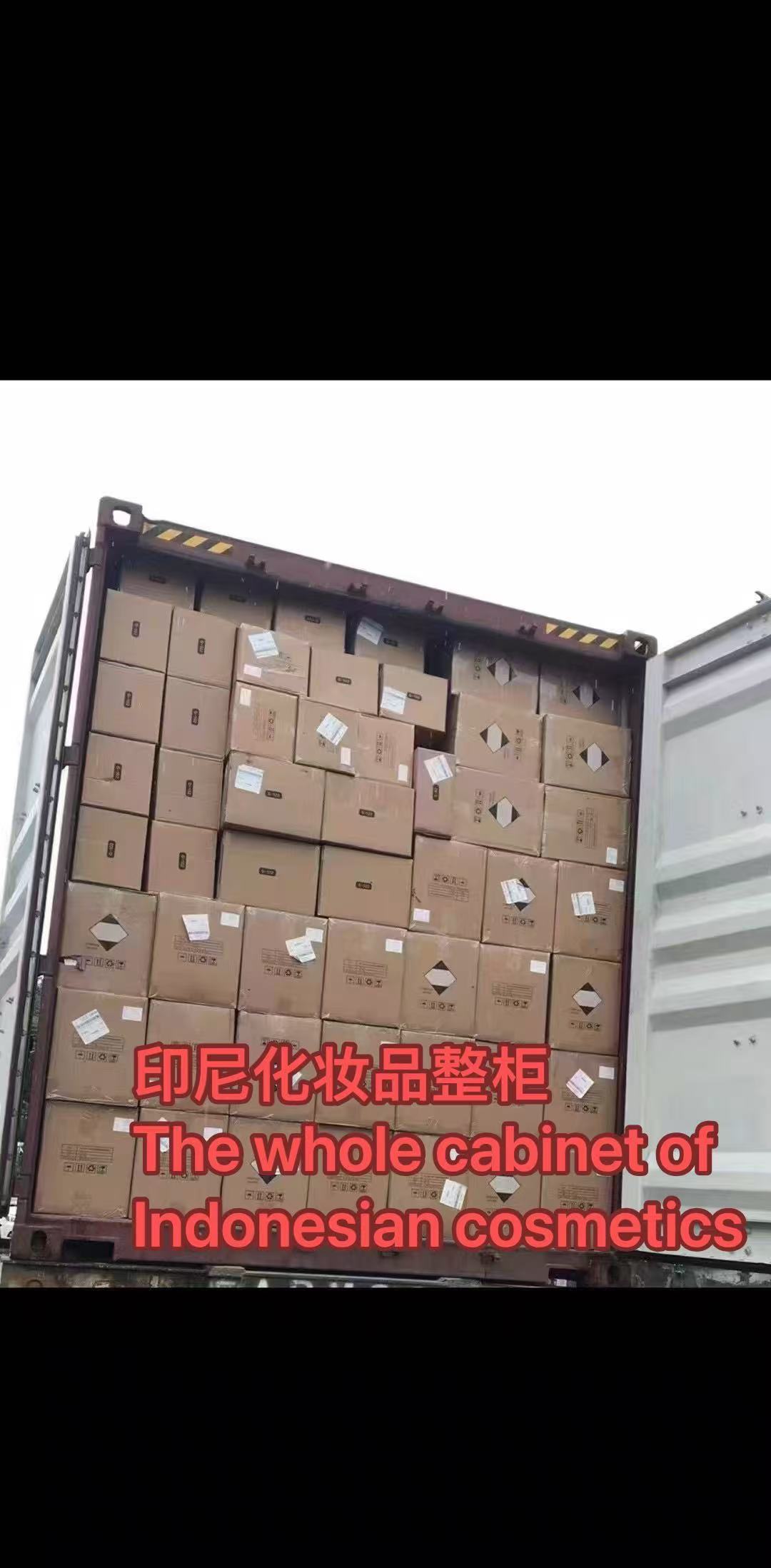
A full container load prepared at origin for ocean freight into Southeast Asia.
Sensitive goods and general chemical products
Compliance, not cost, tends to decide the mode here. Air movements are governed by the IATA Dangerous Goods Regulations; ocean movements by the IMDG Code. Where a commodity is acceptable by sea but restricted by air, urgency cannot override the classification, and the practical speed lever becomes the sailing schedule of the Southeast Asia special line rather than the choice of mode.
Heavy cargo and large-scale engineering projects
Large-scale engineering projects and heavy cargo move by sea, supported by Southeast Asia special line land transportation on cross-border road legs where the route allows. For project cargo, transit time is planned around site schedules rather than retail seasons, and sea freight's structural cost advantage on heavy, dense volumes usually outweighs the longer schedule.

Heavy bulk commodity export moving by sea to the Philippines — a cargo profile that air freight would price against on every kilogram.
Bulk commodities at the extreme end
Cement exports to the Philippines illustrate the same rule in its clearest form. The cargo is heavy, dense and low in value density, so sea freight is the natural mode: air would charge the consignment on chargeable weight across the entire tonnage. When a shipment looks like this, the mode decision is essentially settled before the quotation stage.
Door-to-door delivery into Singapore and Malaysia
On high-frequency corridors, the mode decision is often made inside an existing special line. A Singapore special line or Malaysia special line can combine Singapore express shipping or Malaysia express shipping by air for urgent consignments with regular sea freight for volume, using one door-to-door scope at destination. That is the practical value of one-stop international freight forwarding: the mode changes, but the service scope, documentation flow and point of contact do not.
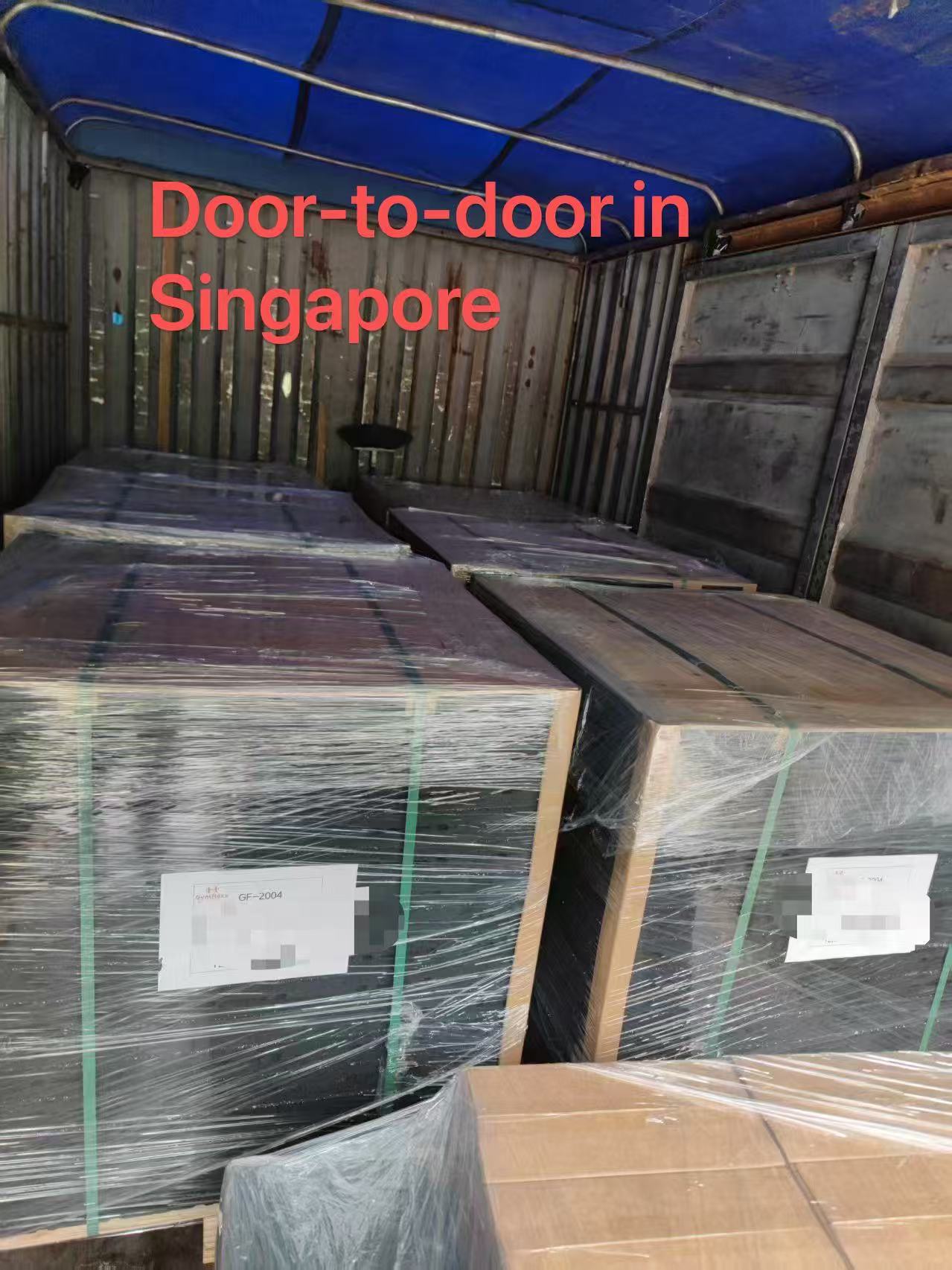
Door-to-door delivery in Singapore, completing the destination leg of a Southeast Asia special line shipment.
Frequently Asked Questions
Can every type of cargo fly from Guangzhou to Southeast Asia?
No. Air cargo must comply with the IATA Dangerous Goods Regulations, and ocean freight safety standards follow the IMDG Code. Commodities such as sensitive goods and general chemical products may be acceptable in one mode and restricted or documentation-heavy in the other. Before selecting a mode, confirm that the commodity has been classified and that the forwarder has confirmed acceptance for that specific mode. Some mode decisions are settled by regulation before cost is discussed at all.
How should an exporter evaluate a forwarder's capability on both air and sea?
Look for evidence that covers both modes rather than one. The useful signals are carrier relationships, freight volume handled, warehouse footprint and the ability to quote a single door-to-door scope. Guangzhou Shunhang International Freight Forwarding Co., Ltd. maintains long-term strategic partnerships with major shipping lines and airlines, handles annual freight volume exceeding 5,000 tons with annual container throughput in the hundreds of TEUs, and operates more than 3,000 square meters of overseas warehouse space across multiple Southeast Asian countries, with major markets including the Philippines, Thailand, Cambodia, Myanmar, Laos and Japan. A forwarder with capacity on both sides can advise on the mode rather than sell a single mode.
Is air freight always more expensive than sea freight?
Not necessarily per shipment, because the two modes are not priced on the same basis. Air freight is charged on chargeable weight, while LCL sea freight is charged per cubic meter and FCL per container. The practical comparison is total cost for the consignment — main carriage plus origin pickup, export declaration, destination clearance, final delivery and insurance. A light, urgent, high-value consignment can be cheaper to move by air than a sea shipment whose delay ties up inventory or triggers penalties. Guangzhou operations are also frequently treated as a cost advantage: one industry procurement analysis estimates operating expenses in Guangzhou at 30–40% lower than in Shanghai or Shenzhen, a directional estimate that should be validated against actual quotations rather than assumed.
Can we test a shipment before committing to a volume arrangement?
Yes. Service arrangements are flexible from short-term projects to long-term partnerships, so exporters can begin with a single trial shipment on one mode and scale up once transit performance, documentation handling and destination delivery have been observed. A trial shipment is also the fastest way to confirm the real door-to-door scope of a quotation, because origin pickup, customs declaration, main carriage, destination clearance and final delivery all become visible on one invoice instead of being distributed across several providers.
What lead time should we plan for on a Southeast Asia route?
Shunhang documents a service duration of 7–30 days depending on destination. Air freight sits at the short end of that range and sea freight at the longer end, and door-to-door service adds origin pickup, customs declaration and final delivery time to both. Build the mode decision around the buyer's delivery commitment rather than an average: if the commitment fits inside the sea window, sea freight controls cost; if it does not, air freight is the cost of keeping the promise. To have both options costed for a specific consignment, send the cargo description, weight, volume and destination to xueyingxiasahi@hotmail.com or +86 182-1888-7283 for a door-to-door quotation.
Conclusion: Decide by Deadline and Billing Unit, Not by Habit
Air and sea freight are not competing answers to the same question. They answer two different questions: how does this cargo measure in chargeable terms, and how much does a late arrival cost? Exporters who convert the shipment into kilograms and cubic meters, normalize both quotations to a door-to-door scope, and test the transit window against the buyer's deadline usually find the decision has already been made for them.
Next step: Shunhang International Freight Forwarding Co., Ltd. operates both air and sea freight out of Guangzhou with one-stop door-to-door service across air, land and sea, supported by long-term partnerships with major airlines and shipping lines, annual freight volume exceeding 5,000 tons, hundreds of TEUs of annual container throughput, and over 3,000 square meters of overseas warehouse space in Southeast Asia. Exporters who want both modes priced on the same scope can request a quotation at xueyingxiasahi@hotmail.com, by phone at +86 182-1888-7283, or on WhatsApp at +8618928711267. Company website: www.sunhang-logistics.com.
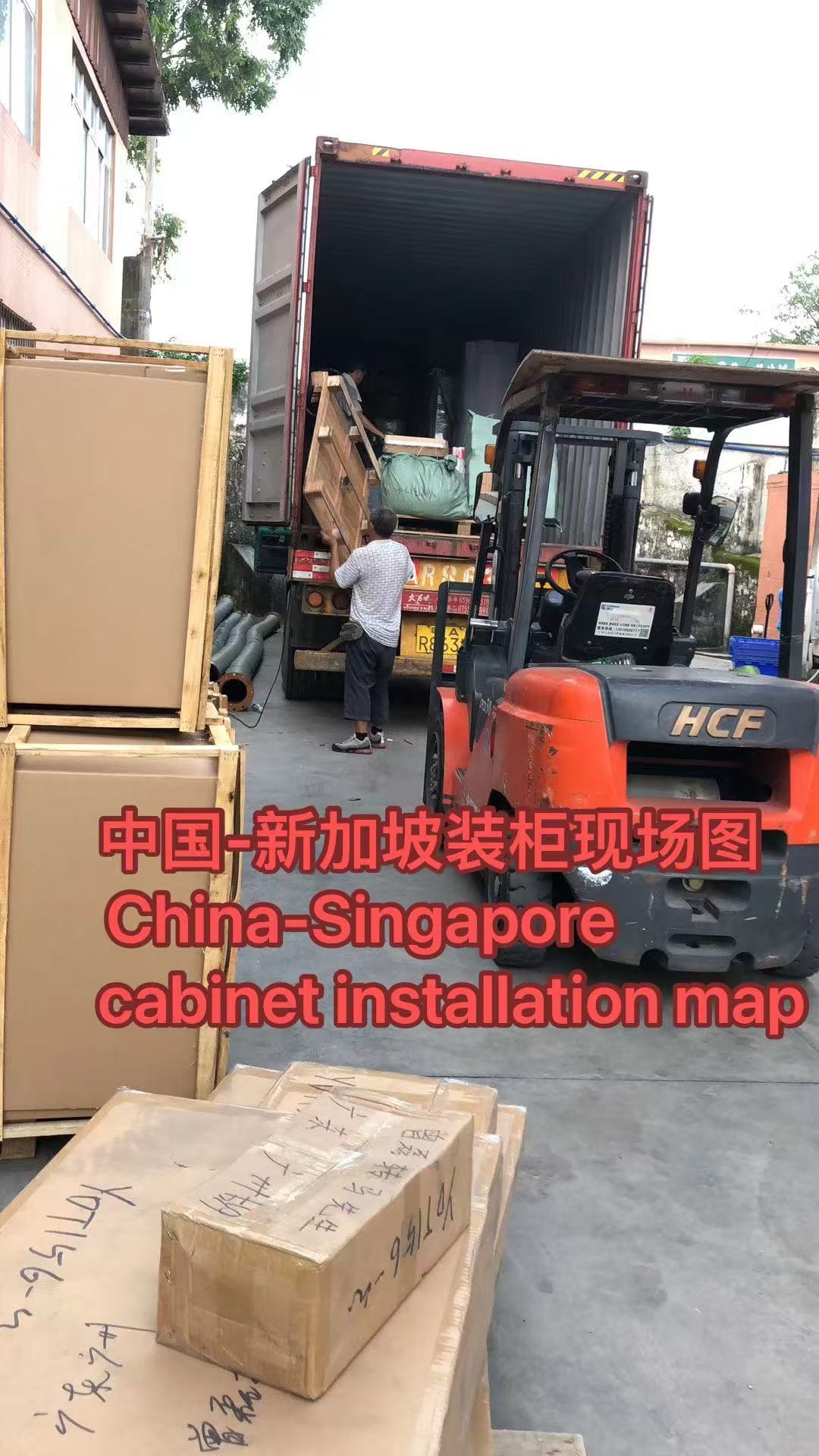
Container loading at origin for a Singapore-bound sea freight shipment.
Have Questions or Need More Details?
Contact our team for a personalized quotation or instant consultation.
Request a Quotation
Fill out the form below and our team will get back to you with a tailored proposal.
WhatsApp Direct Chat
Prefer to chat in real-time? Message us on WhatsApp for instant assistance & quick answers.
- Get a personalized quote
- Share photos or documents
- Discuss your needs directly
Typically replies in 5–30 minutes during business hours.