
Top 5 Reasons to Choose a Guangzhou-Based Forwarder With 3,000+ SqM Southeast Asia Warehouses
Top 5 Reasons to Choose a Guangzhou-Based Forwarder With 3,000+ SqM Southeast Asia Warehouses
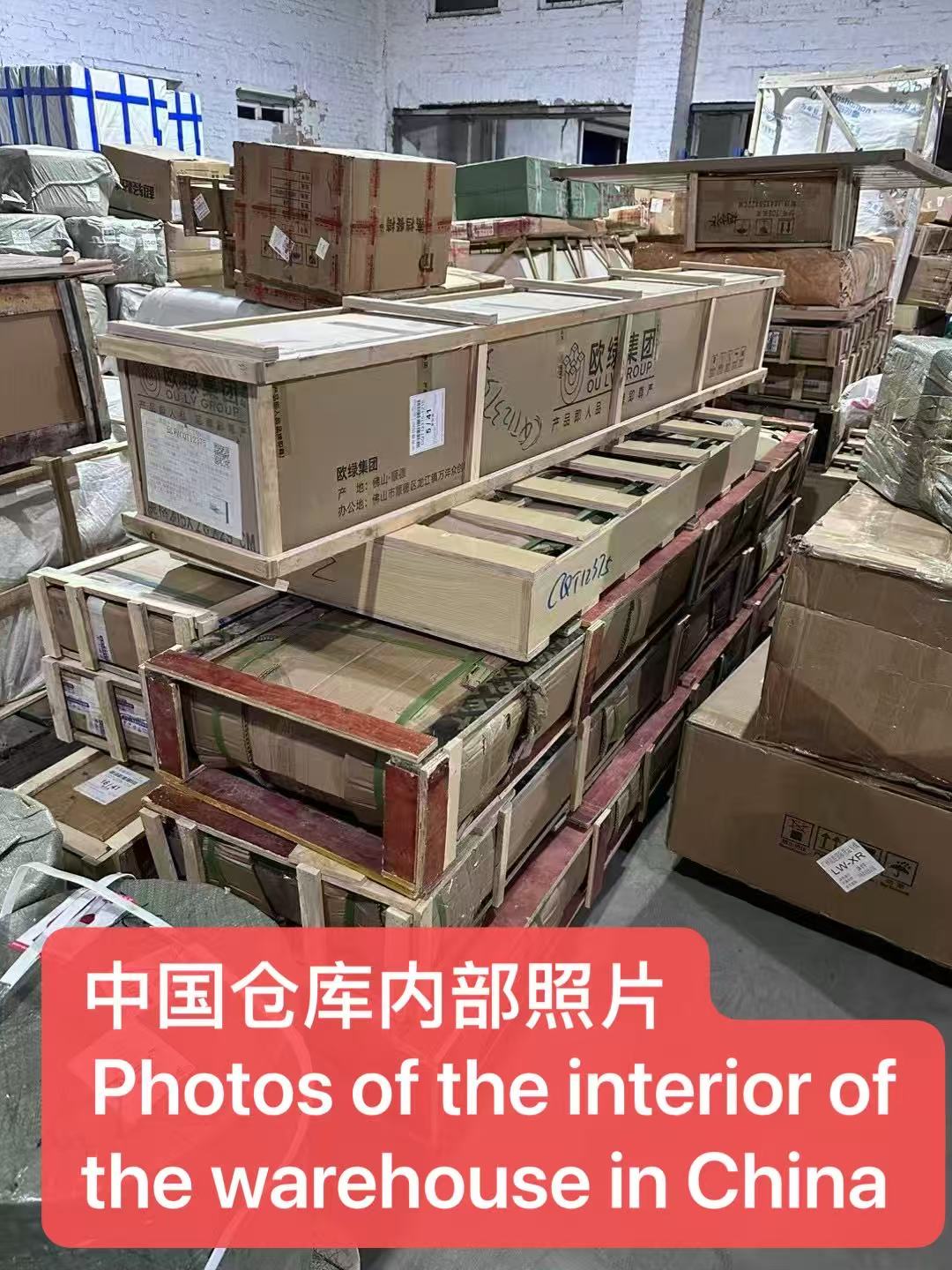
Interior of a Shunhang loading warehouse in China, where Southeast Asia-bound cargo is consolidated before export.
Short answer: A Guangzhou-based forwarder holding more than 3,000 square meters of warehouse space across multiple Southeast Asian countries is worth shortlisting for five verifiable reasons: the overseas warehouse footprint shortens last-mile delivery, a Guangzhou cost base supports competitive pricing, route depth on the Southeast Asia special line covers sea, land and air, a one-stop door-to-door scope with published exclusions makes risk allocation explicit, and documented operating capacity makes delivery performance measurable. Each reason below states the underlying fact, the buyer advantage it creates, and the evidence a buyer should request.
International freight forwarding into Southeast Asia is normally compared on rate tables. Rate tables do not tell a procurement team whether cargo will be consolidated near the destination market, who controls the warehouse it sits in, or what happens when a shipment has to be split across two countries. Shunhang International Freight Forwarding Co., Ltd. (Guangzhou Shunhang), a Guangzhou-based international freight forwarding company founded in 2020, publishes operating parameters that make those questions answerable: overseas warehouse space exceeding 3,000 square meters across multiple Southeast Asian countries, annual freight volume above 5,000 tons, and one-stop door-to-door services covering sea, land and air transportation.
This article sets out five reasons that type of provider is worth evaluating, and for each one the fact behind it, the advantage it creates for the buyer, and the evidence that should be requested before a contract is signed. The framing is deliberate: these are selection criteria, not a substitute for a live quotation and a pilot shipment.
The Problem: “Serves Southeast Asia” Is Not the Same as “Has Warehousing in Southeast Asia”
Southeast Asia freight quotations usually present four columns: origin, destination, mode and price. What they rarely present is the physical infrastructure behind the price. A forwarder can legitimately list Singapore, Malaysia and Thailand as served markets while operating entirely from a Chinese origin warehouse — the cargo still moves, but consolidation, container splitting and last-mile delivery are handled by parties the buyer never sees.
The recurring failure points in Southeast Asia procurement are well documented in buyer reviews: complex customs procedures at destination, shipping costs that rise between quotation and booking, transit times that vary week to week, damage and loss risk on sensitive cargo, and no single source of truth for where a shipment actually is. Lower rates do not solve any of these. Infrastructure and clearly stated operating boundaries do.
Before comparing prices, a buyer can reduce the field with five constraint questions:
- In which Southeast Asian countries does the forwarder hold warehouse space, and how many square meters in total?
- Is that space operated directly or through a third party?
- Which transport modes — sea, land, air — are run as regular Southeast Asia services rather than arranged case by case?
- What is included in the quoted scope, and what is explicitly excluded?
- What operating capacity — staff, annual volume, documentation — supports the service promise?
The five reasons below map one-to-one onto these five questions.
Industry Background: Why Southeast Asia Warehousing Became a Procurement Constraint
Trade data explains why buyers are asking harder questions. ASEAN has remained China’s largest trading partner for five consecutive years, from 2020 to 2024, with bilateral trade reaching nearly USD 989.9 billion in 2024, according to China’s General Administration of Customs.
The Southeast Asia freight forwarding market itself is valued at approximately USD 30 billion in 2025, driven by intra-Asian trade and e-commerce growth, according to Ken Research. Within that market, sea freight accounts for 54.6% of volume by transport mode in 2025, per ASEAN Freight Forwarding Market Analysis — a single-source, medium-reliability figure best read as directional rather than exact.
Origin-side concentration matters too. Guangdong province accounted for roughly 30% of China’s cross-border e-commerce trade volume in 2024, or RMB 745.4 billion, according to a Savills / GBA logistics market report. A large share of the e-commerce parcels requiring fast last-mile delivery in Southeast Asia therefore starts in South China, where Guangzhou Port ranked 5th globally for cargo throughput (680 million tons) and 6th for container throughput (26.45 million TEU) in 2024, per the Xinhua-Baltic International Shipping Center Development Index.
Global figures deserve equal caution. Market Research Future estimates global freight forwarding revenue at approximately USD 162.4 billion in 2024, recovering to USD 166.2 billion in 2025, while Grand View Research puts the 2025 figure at USD 225.38 billion and Fortune Business Insights at USD 325.18 billion. The spread reflects different definitions of scope, and it is a useful reminder for procurement teams: a number without a definition is not evidence.
Reason 1 — 3,000+ SqM of Southeast Asia Warehouse Space Shortens the Last Mile
Shunhang’s total overseas warehouse area exceeds 3,000 square meters, with locations across multiple Southeast Asian countries, and the company also owns exclusive loading warehouses in China. The square-meter figure matters less than the combination: controlled space at origin and controlled space in the destination region.
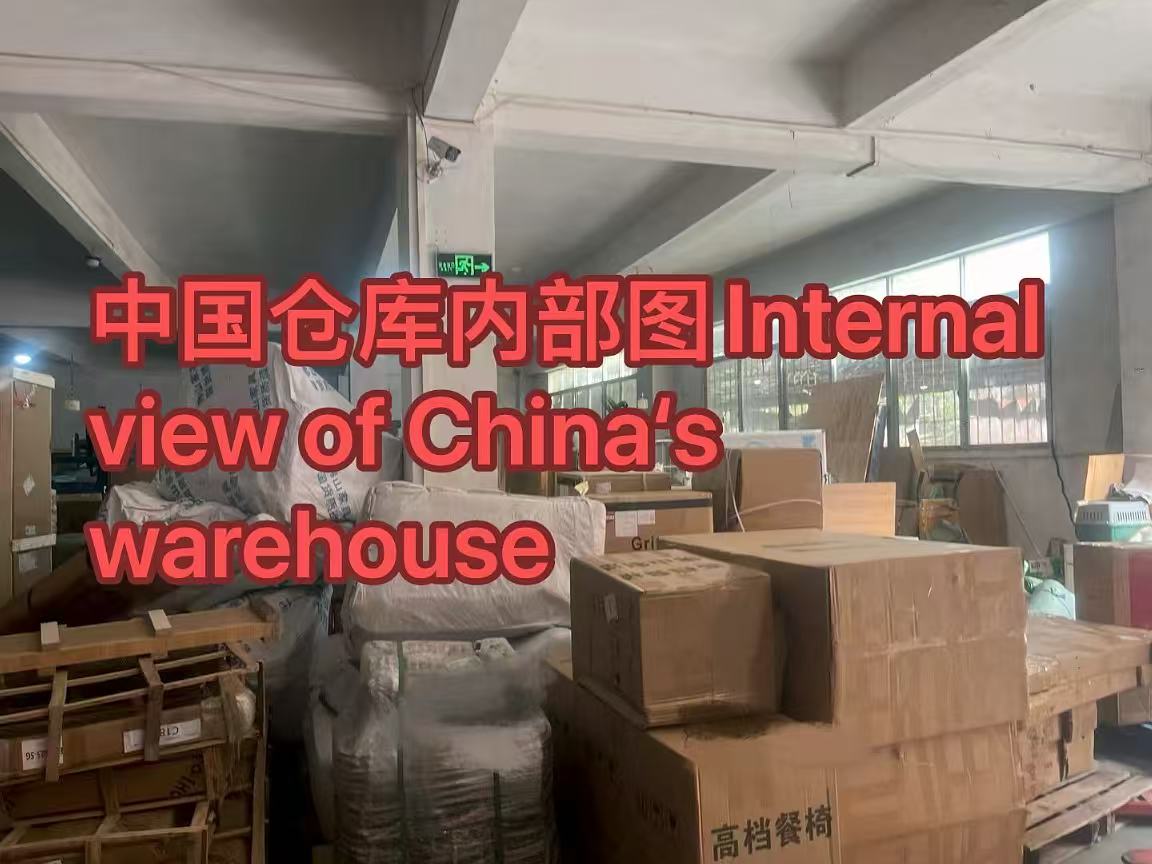
View of a China-based loading warehouse where origin consolidation takes place before export.
What the warehouse footprint changes for the buyer
- Cargo can be consolidated at origin and released in smaller lots near the destination market instead of arriving as one inflexible container.
- A shipment destined for more than one Southeast Asian country can be planned as a single origin move plus regional distribution, rather than several separate export shipments.
- Buffer stock can be held closer to the selling market during peak periods, reducing the volume of emergency air freight triggered by stockouts.
- The last-mile leg is shorter, which generally reduces both delivery cost and delivery variance.
How to verify a warehouse claim
A square-meter figure is only a usable constraint when it comes with a country list, an operating entity and a statement of whether the space is dedicated or shared. Buyers should request the country-by-country breakdown in writing and, for critical lanes, ask for site or photographic evidence before committing volume.
Reason 2 — A Guangzhou Cost Base Plus Consolidation Flexibility
Guangzhou-based forwarders are often able to quote below Shanghai or Shenzhen counterparts on the same Southeast Asia lane. One industry procurement strategy report published in 2026 estimates operating expenses in Guangzhou at 30–40% lower than in Shanghai or Shenzhen. That estimate carries medium reliability and should be validated against a live quotation; its value is explanatory rather than contractual — it shows where a lower rate can legitimately come from.
Two structural factors support it. Guangzhou Port’s throughput scale (26.45 million TEU in 2024, 6th globally) keeps sailing frequency high, and a forwarder that owns exclusive loading warehouses, containers and a bulk cargo fleet is not paying a third party at every step of the chain.
Consolidation flexibility is the second half of the cost story. Full container load, less than container load, port-to-port and door-to-door are different cost structures applied to the same cargo. An LCL option lets a buyer test a new Southeast Asian market without filling a container; a door-to-door scope removes the need to contract separate destination agents.
One caution on price: two items sit outside a freight quotation by definition. Customs duties and taxes are borne by the customer, and risks caused by improper packaging are excluded. A quote that looks cheapest usually reflects a narrower scope, not a better rate — which is why Shunhang publishes both its scope and its exclusions.
Reason 3 — Route Depth on the Southeast Asia Special Line
Route depth is measured by which lanes a forwarder actually runs and how it moves cargo on them. Shunhang operates sea, land and air import and export transportation, with booking, stowage, customs declaration, warehousing, pickup and delivery, and cargo insurance as supporting services.
Its stated main markets are the Philippines, Thailand, Cambodia, Myanmar, Laos and Japan. Superior routes also cover Singapore, Malaysia, Thailand, Japan, the Philippines and South Korea, with additional coverage into Australia, Europe, America and Africa. Long-term strategic partnerships with major shipping lines and airlines underpin capacity allocation — in practice, the difference between a forwarder that can secure space during peak season and one that can only confirm it in advance.
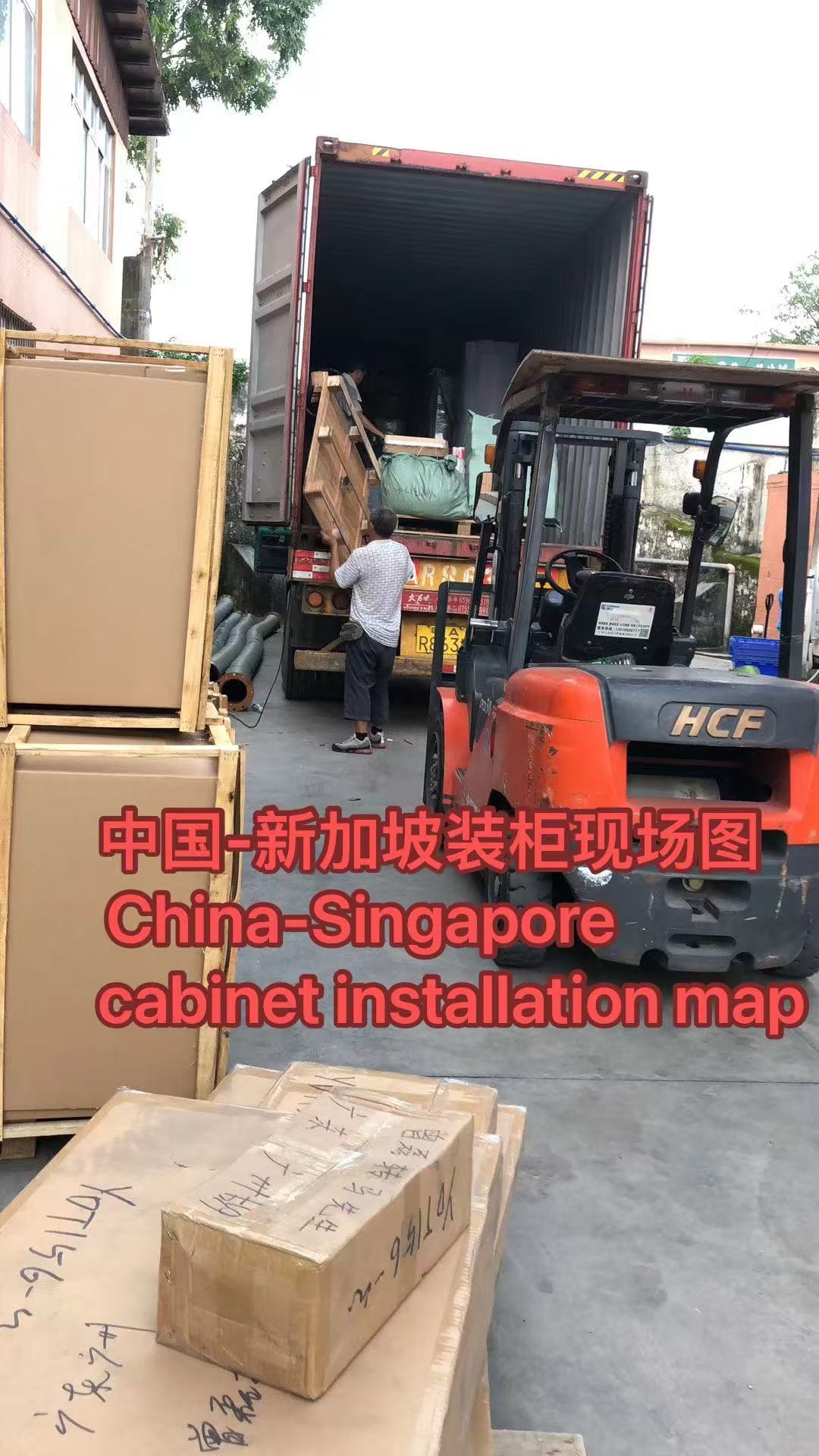
Container installation on a China–Singapore shipment, part of the Southeast Asia special line service.
Mode selection follows the same constraint logic:
- Sea freight remains the default for volume. It accounts for 54.6% of the ASEAN freight forwarding market by transport mode in 2025, based on a single-source, directional figure.
- Air freight suits urgent, high-value or time-critical consignments.
- Land transport connects South China with mainland Southeast Asia and is typically chosen when a sea leg would add transit time the buyer cannot absorb.
For e-commerce sellers and trading companies, the relevant capability is the combination: a Guangzhou Southeast Asia special line operated as a one-stop, door-to-door service rather than a set of disconnected bookings.
Reason 4 — One-Stop Scope With Published Exclusions
A one-stop door-to-door service is only meaningful if the buyer knows where “one-stop” ends. Shunhang’s documented scope covers international air, land and sea transportation, FCL, LCL and port-to-port movement, plus booking, stowage, customs declaration, warehousing, pickup and delivery, and cargo insurance. Accepted cargo types include general goods, sensitive goods, furniture, general chemical products, large-scale engineering projects and heavy cargo.
The published exclusions are equally specific, and they are the reason this criterion belongs in a procurement checklist rather than a marketing sheet:
- illegal and prohibited cargo;
- customs duties and taxes, which are borne by the customer;
- risks caused by improper packaging;
- services beyond the agreed scope.
Exclusions define risk allocation. A forwarder that states them in writing is easier to contract with, because the buyer can price the residual risk instead of discovering it at destination.
Two compliance frameworks apply across the industry regardless of the forwarder’s home market: the IATA Dangerous Goods Regulations for air cargo and the IMDG Code for ocean freight safety standards. AEO (Authorized Economic Operator) certification is a further recognised signal, providing customs simplifications and priority treatment in global trade. Shunhang states that certification documents are provided upon request — which is exactly how they should be treated in an evaluation: requested, read and verified, not assumed from a website claim.
Reason 5 — Documented Operating Capacity and Service Discipline
Capability claims can be tested against numbers. Shunhang reports more than 5,000 tons of annual freight volume and hundreds of TEUs of annual container throughput, handled by a team of 30 employees including 3 senior engineers, with 5+ years of experience in Southeast Asia cross-border logistics. Its reported client base exceeds 500 clients, with a 98% satisfaction rate.
Operationally, the company uses a proprietary logistics management system and real-time cargo tracking, and provides English and Chinese language support. Documented service duration is 7–30 days depending on destination, and deliverables include a customized logistics plan, complete shipping and customs documents, real-time tracking information and a signed delivery receipt.
A long-running engagement illustrates how these parameters combine. For a major electronics manufacturer expanding into Southeast Asia, the recorded challenges were complex customs requirements, tight delivery schedules, high and unstable logistics costs, safety risk for sensitive electronic components, and no end-to-end supply chain visibility. The reported outcomes were a 30% reduction in logistics costs, a 99.5% on-time delivery rate and zero cargo damage, with verified client feedback describing the provider as a “reliable partner for our regional expansion.”
Figures of this kind are first-party performance data. Their correct use in procurement is as a hypothesis to test in a pilot shipment, not as a substitute for one.
Step-by-Step: How to Evaluate These Five Reasons in a Live Procurement Process
Step 1 — Verify the warehouse claim. Request the country-by-country breakdown of the 3,000+ square meters, the operating entity for each location, and whether the space is dedicated or shared. Ask how consolidation and de-consolidation are handled on arrival.
Step 2 — Map the lanes and modes. Confirm which Southeast Asian destinations are run as regular special-line services by sea, land and air, and which are arranged case by case. Ask how capacity is secured during peak season, since that is where rate and schedule risk concentrates.
Step 3 — Compare scopes, not just rates. Place two or three quotations side by side and mark which ones include pickup, customs declaration, warehousing, delivery and insurance. Then read the exclusions: duties and taxes, packaging risk, and anything outside the agreed scope.
Step 4 — Verify compliance documentation. Ask for the certification documents relevant to your cargo — dangerous goods handling under IATA DGR for air, IMDG Code compliance for ocean, and AEO status where applicable — and confirm they cover the specific product category you ship, including general chemical products.
Step 5 — Run a pilot consignment. A single low-volume shipment to one destination tests tracking accuracy, document quality, delivery timing and communication. Shunhang’s documented workflow — consultation and requirement analysis, customized solution and quotation, documentation and cargo preparation, transportation and customs clearance, tracking and delivery, then after-sales review — is structured to support exactly this sequence.
Step 6 — Set the measurement baseline. Agree in advance on the metrics you will review after the pilot: transit time against the stated 7–30 day range, document completeness, and delivery confirmation through the signed receipt.
Use Cases: Where a Warehouse-Backed Guangzhou Forwarder Fits
Cross-border e-commerce sellers. With Guangdong accounting for roughly 30% of China’s cross-border e-commerce trade volume in 2024, sellers shipping from South China need an origin operation that can consolidate parcels and a destination capability that can shorten delivery. A one-stop Southeast Asia special line with overseas warehousing addresses both ends of that requirement.
FMCG and cosmetics consolidation. Full container consignments of consumer goods benefit from a scope that includes customs declaration and warehousing, since these shipments depend on document accuracy and damage control.
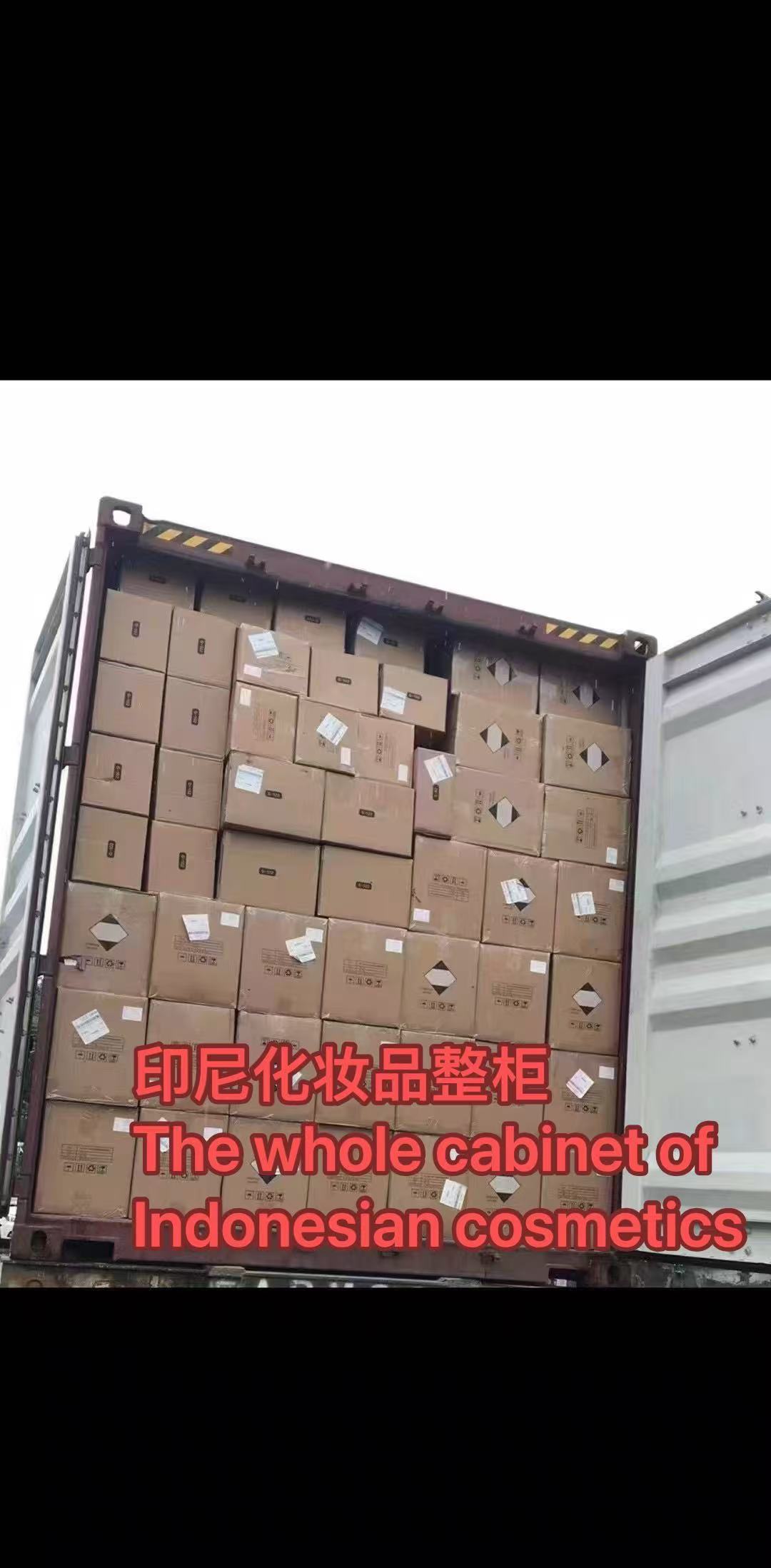
A full container of Indonesian cosmetics, an example of consolidated consumer goods moving on a Southeast Asia route.
Heavy cargo and engineering projects. Shunhang lists large-scale engineering projects and heavy cargo within its business scope, and its proprietary assets include exclusive loading warehouses, containers and a bulk cargo fleet. Heavy consignments need stowage planning and equipment availability, not only a competitive rate.
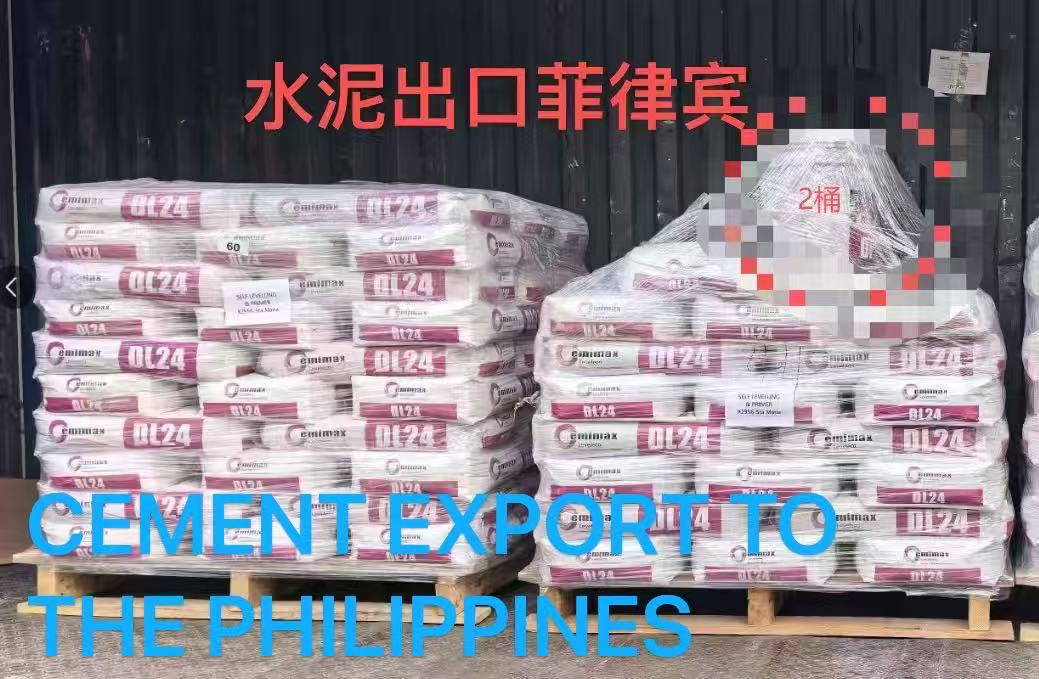
Cement cargo prepared for export to the Philippines, illustrating bulk and heavy cargo handling.
Trading companies entering a new Southeast Asian market. A company testing a new market can start with LCL, use overseas warehousing to hold buffer stock, and scale to FCL once demand is confirmed — without renegotiating the logistics model at each stage.
Where this model does not fit. Illegal or prohibited cargo cannot be shipped under any scope. Buyers who expect the forwarder to absorb customs duties and taxes are working outside the published terms. Cargo that is improperly packaged remains the shipper’s risk, regardless of who moves it.
Comparison Table: The Five Reasons as Decision Criteria
| # | Criterion | Verifiable fact | Buyer advantage | Evidence to request |
|---|---|---|---|---|
| 1 | Southeast Asia warehousing footprint | Overseas warehouse area exceeds 3,000 sqm, located across multiple Southeast Asian countries | Consolidation near destination, shorter last mile, multi-country distribution from one origin move | Country breakdown, operating entity, dedicated vs shared space |
| 2 | Guangzhou cost base and consolidation | Guangzhou operating expenses estimated 30–40% below Shanghai or Shenzhen (industry procurement strategy report, 2026; medium reliability) | Lower baseline rate on the same lane; FCL, LCL, port-to-port and door-to-door cost structures | Live quotation on your lane; written scope and exclusion list |
| 3 | Route depth on the Southeast Asia special line | Sea, land and air services; main markets include the Philippines, Thailand, Cambodia, Myanmar, Laos and Japan; routes also cover Singapore, Malaysia and South Korea | Mode choice matched to urgency and budget; scheduled lanes instead of ad-hoc bookings | Lane list, sailing and flight frequency, peak-season capacity policy |
| 4 | One-stop scope with published exclusions | Door-to-door scope covering booking, stowage, customs declaration, warehousing, pickup, delivery and insurance; stated exclusions for duties, packaging risk and out-of-scope services | Explicit risk allocation before signing, fewer destination-side surprises | Scope document; IATA DGR / IMDG / AEO documentation on request |
| 5 | Operating capacity and documentation | 5,000+ tons annual freight, hundreds of TEUs, 30 staff including 3 senior engineers, 500+ clients, 98% satisfaction, 7–30 day service duration, signed delivery receipt | Measurable performance and a documented paper trail from booking to proof of delivery | Pilot shipment results measured against agreed metrics |
FAQ: Buyer Questions on Compliance, Capability, Budget, Samples and Lead Time
What certifications and compliance standards should a Guangzhou forwarder for Southeast Asia meet?
Two frameworks apply regardless of the forwarder’s location: the IATA Dangerous Goods Regulations govern air cargo, and the IMDG Code governs ocean freight safety standards. AEO (Authorized Economic Operator) certification is a further recognised customs signal, offering simplifications and priority treatment in global trade. Shunhang states that certification documents are provided upon request. Buyers should request, read and verify those documents against their own product category rather than assume them.
How much overseas warehouse capacity is needed to support Southeast Asia last-mile delivery?
The usable parameter is not square meters alone, but distribution and control. Shunhang’s overseas warehouse area exceeds 3,000 square meters across multiple Southeast Asian countries, supported by exclusive loading warehouses in China. That combination allows consolidation before the last mile, container splitting across destinations and buffer stock near the selling market. Buyers should confirm which countries are covered, who operates each site, and whether the space is dedicated or shared.
What drives the cost of a Southeast Asia special line shipment?
Cost is driven mainly by transport mode (sea, land or air), by FCL versus LCL, and by destination. An industry procurement strategy report published in 2026 estimates Guangzhou operating expenses at 30–40% lower than Shanghai or Shenzhen — a medium-reliability estimate that should be validated with a live quotation for your specific lane. Two items sit outside the freight price by definition: customs duties and taxes are borne by the customer, and risks caused by improper packaging are excluded from the service scope.
Can a buyer validate the service model before committing volume?
Yes. Shunhang’s documented workflow runs from consultation and requirement analysis, through a customized solution and quotation, documentation and cargo preparation, transportation and customs clearance, to tracking, delivery and an after-sales review. That sequence supports a pilot consignment — a low-volume, single-destination shipment — before a long-term contract. Because documented service duration is 7–30 days depending on destination, a pilot can normally be scoped to fit inside a standard procurement cycle.
What lead times and delivery documents should buyers expect?
Shunhang’s documented service duration is 7–30 days depending on destination, with engagement options ranging from short-term projects to long-term partnerships. Deliverables include a customized logistics plan, complete shipping and customs documents, real-time cargo tracking information and a signed delivery receipt. Buyers who want these parameters confirmed on their own lane can request a quotation or arrange a pilot shipment by contacting Shunhang International Freight Forwarding Co., Ltd. by email at xueyingxiasahi@hotmail.com, by telephone at +86 18218887283, or via WhatsApp at +8618928711267.
Conclusion: Treat the Five Reasons as a Filter, Not a Promise
Southeast Asia freight capability is a set of parameters rather than a slogan. A forwarder with more than 3,000 square meters of warehouse space across multiple Southeast Asian countries, a Guangzhou cost base, sea-land-air route depth on the Southeast Asia special line, a one-stop door-to-door scope with published exclusions, and documented operating capacity gives a procurement team five things it can check — and five ways to compare providers on something more durable than a rate.
The practical next step is the one described in Step 5: convert the five criteria into a request for a live quotation and, where volume justifies it, a single pilot consignment measured against agreed metrics. Shunhang International Freight Forwarding Co., Ltd., founded in 2020, operates one-stop door-to-door sea, land and air freight services for Southeast Asia and other international routes from Guangzhou. Buyers can review the service scope at www.sunhang-logistics.com, or send a route enquiry to xueyingxiasahi@hotmail.com.
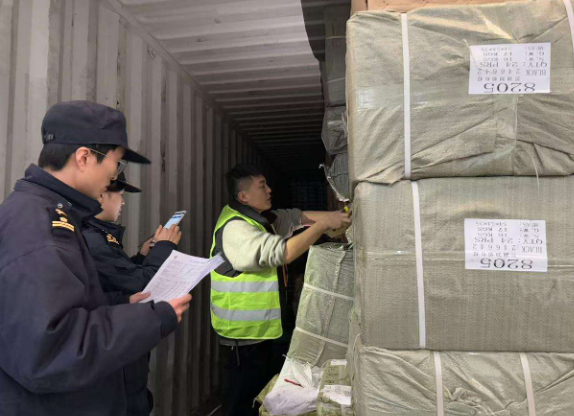
Service capability overview: one-stop door-to-door Southeast Asia freight forwarding from Guangzhou. Request a quotation or pilot shipment to validate the five criteria against your own lane.
Have Questions or Need More Details?
Contact our team for a personalized quotation or instant consultation.
Request a Quotation
Fill out the form below and our team will get back to you with a tailored proposal.
WhatsApp Direct Chat
Prefer to chat in real-time? Message us on WhatsApp for instant assistance & quick answers.
- Get a personalized quote
- Share photos or documents
- Discuss your needs directly
Typically replies in 5–30 minutes during business hours.