
Compliance Guide: Understanding Export Documentation for 100% Export-Focused Freight Forwarders

Export documentation is the point where international freight forwarding either runs smoothly or stops at the customs gate. A container leaving Guangzhou for Singapore, a pallet flying to Tokyo, or a truck crossing into Laos does not move on price alone — it moves on paperwork that a customs authority accepts the first time it is filed. For importers, exporters, manufacturers, trading companies, and cross-border e-commerce sellers, the real question is not only who will carry the cargo, but who takes ownership of the documents that let it clear.
This guide explains the export documents and regulatory considerations that typically apply to sea, land, and air cargo leaving China for Japan and Southeast Asia, and what changes when the forwarder you choose is structured around outbound freight. A 100% export-focused forwarder — such as Guangzhou Shunhang International Freight Forwarding Co., Ltd., established in 2020, whose export business accounts for 100% of total sales — builds its entire operating routine around exactly this task.
Problem Definition: Why Export Documentation Becomes the Bottleneck
Documentation is rarely the reason a buyer starts searching for a freight forwarder. It is very often the reason they replace one. Across the international logistics sector, the recurring problems cluster around the same points: complex customs clearance procedures and documentation requirements, unpredictable transit times, cargo damage and loss risk, communication barriers with overseas partners, and weak end-to-end visibility once cargo leaves the origin warehouse.
These failures rarely arrive as one dramatic event. They compound. A commercial invoice value that does not match the customs declaration. A packing list that miscounts cartons. Origin paperwork issued for the wrong destination market. Individually minor, collectively expensive — because each discrepancy can trigger inspection, storage, and re-booking, which is where cost and lead time quietly accumulate.
For the buyer, the business impact is concrete: higher operational cost, delayed market entry, reduced customer satisfaction, and lost commercial opportunity. The underlying causes are usually structural rather than personal — fragmented service providers, limited local expertise in the destination country, and poor coordination between the team that books the cargo and the team that prepares the papers. In practice, compliance is not a back-office detail. It is a delivery risk sitting on the critical path of every shipment.
Industry Background: A High-Volume Corridor That Rewards Preparation
China's outbound trade with Southeast Asia is now large enough that documentation discipline has a direct commercial effect. Official reporting attributed to the General Administration of Customs put total trade value between China and ASEAN at 4.93 trillion yuan in the first eight months of 2025 alone. At the policy level, the CAFTA 3.0 upgrade expands cooperation into nine areas, including customs procedures and trade facilitation, standards and technical regulations, and supply-chain connectivity — all of which ultimately translate into documentation and clearance practice at the port.
The physical infrastructure behind that trade is concentrated in South China. Guangzhou Port ranked sixth globally in container throughput in 2025, handling 28.05 million TEUs, and Guangzhou is associated with more than 40% of China's exports to ASEAN. The New International Land-Sea Trade Corridor, a multimodal route connecting inland China to Southeast Asian ports, moved more than 1 million TEUs of cargo during the reported year to date.
Forwarding demand reflects the same trend. The ASEAN freight forwarding market was valued at USD 31.62 billion in 2025 and is forecast to reach USD 41.86 billion by 2031, a 4.78% CAGR. For buyers, the implication is operational rather than macroeconomic: with this much cargo competing for carrier space and clearance capacity, shippers who cannot produce clean documentation are the ones who absorb the delays.
Detailed Solution: What a 100% Export-Focused Forwarder Actually Controls
The forwarder's role is better defined by an industry standard than by a sales page. FIATA, the international federation representing freight forwarders, describes forwarding and logistics services as covering carriage, consolidation, storage, handling, packing or distribution, customs and fiscal matters, official declarations, insurance, and related documentation. Read carefully, that definition makes the forwarder responsible not only for moving cargo, but for assembling the document set that customs authorities, carriers, and insurers each rely on.
A forwarder whose business is entirely export-focused organises around that responsibility differently from a provider that splits attention between inbound and outbound freight. Guangzhou Shunhang International Freight Forwarding Co., Ltd. illustrates the model. Established in 2020 and employing approximately 30 staff, the company specialises in international freight forwarding services, with export business accounting for 100% of total sales. Its declared service scope covers booking, stowage, customs declaration, warehousing, pickup and delivery, and cargo insurance — the same core functions FIATA lists as the substance of forwarding.
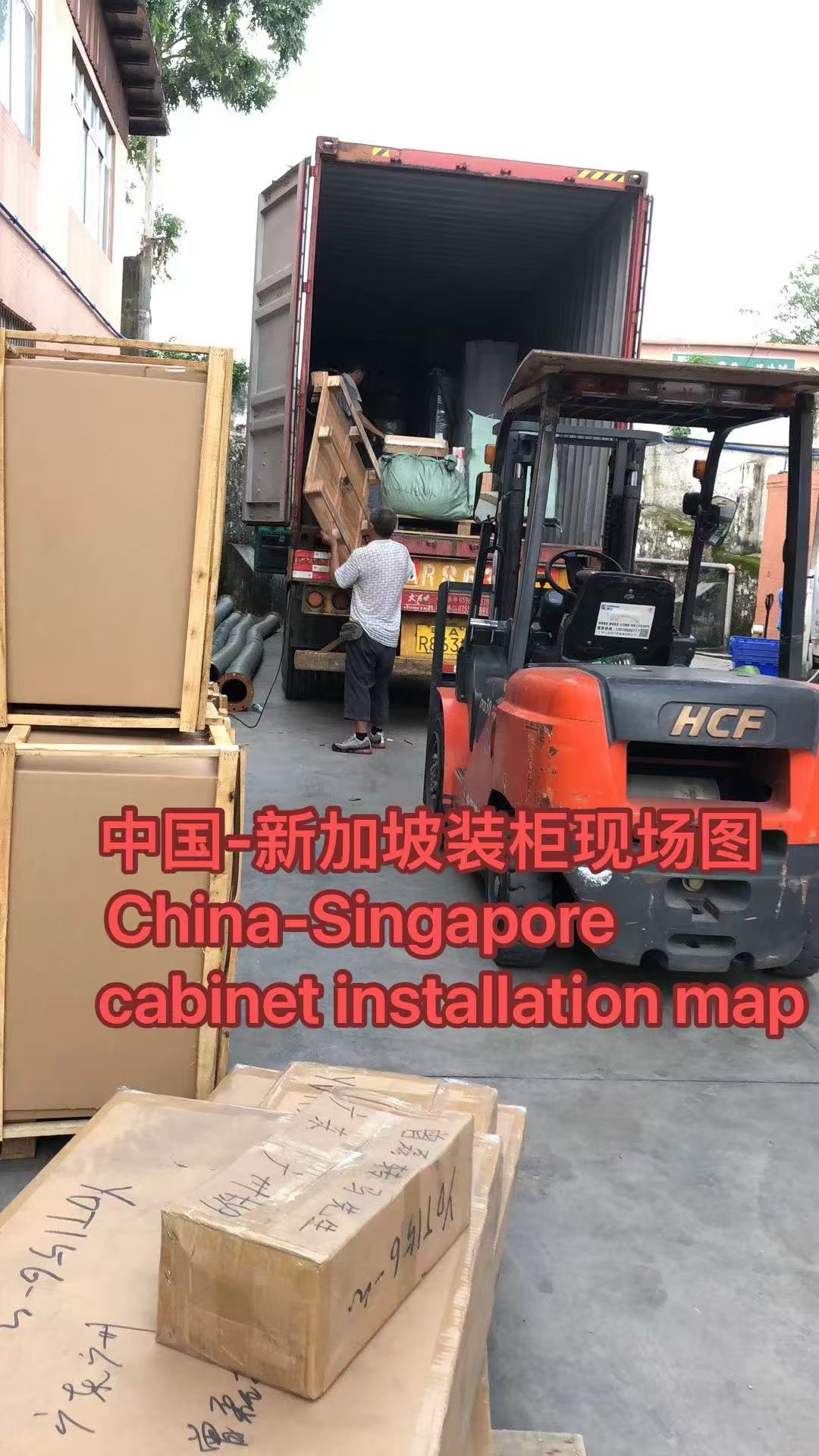
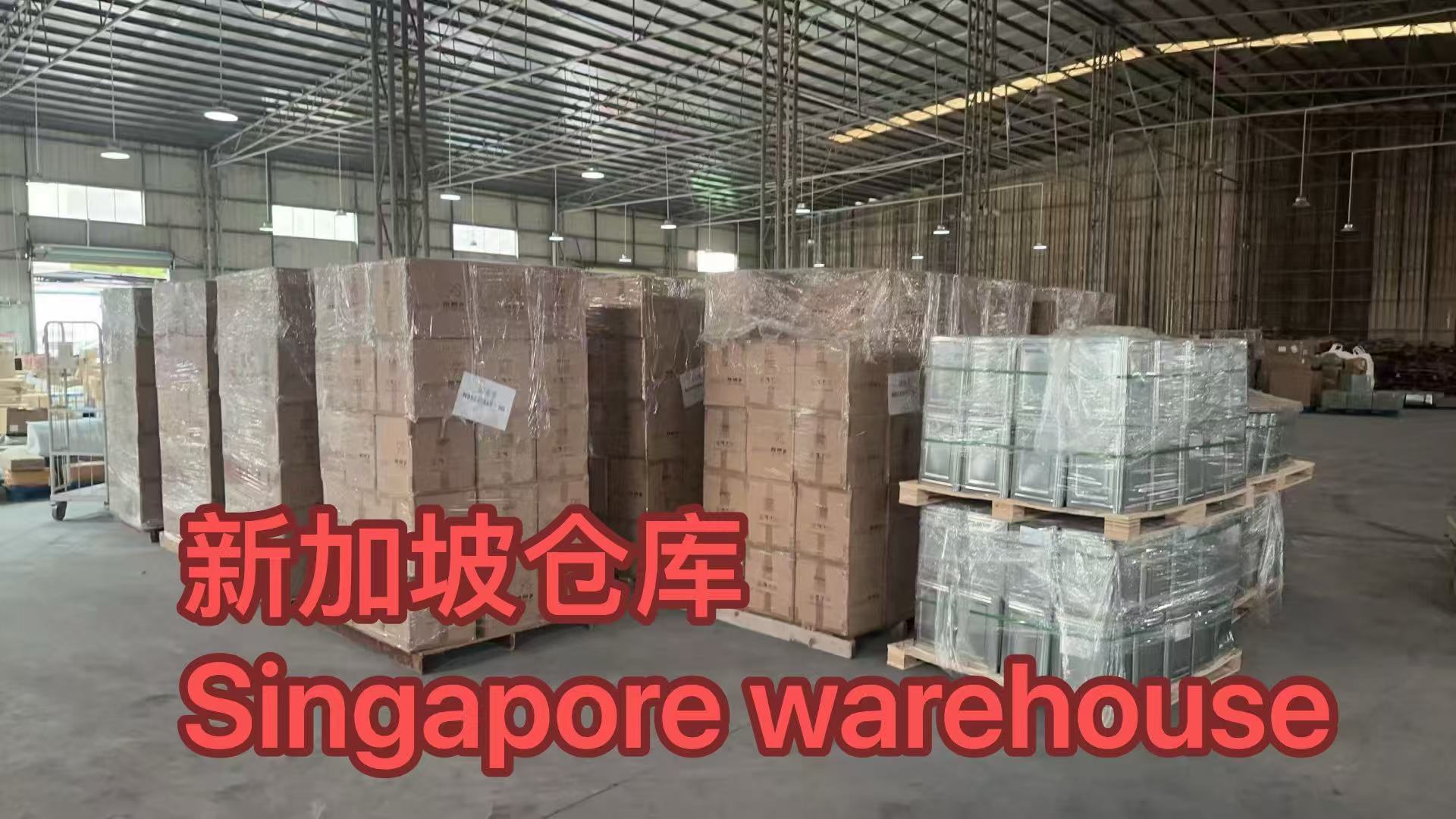
Two operating facts matter for documentation reliability. First, the company maintains long-term strategic partnerships with major shipping lines and airlines. Established carrier relationships matter because most documentation questions — how a bill of lading is amended, whether a late cargo declaration will still be accepted, how a rolled booking is re-papered — are resolved through existing channels rather than cold enquiries. Second, the company operates overseas warehouses with a total area exceeding 3,000 square meters across multiple Southeast Asian countries, which allows consolidation and deconsolidation to happen inside one documentation chain instead of being split between unrelated agents.
The cargo scope shapes the documentation workload as well. Shunhang handles general goods, sensitive goods, furniture, general chemical products, large-scale engineering projects, and heavy cargo. These categories carry materially different compliance requirements. A furniture consignment and a chemical shipment do not travel on the same paperwork, and a forwarder that processes both routinely is far more likely to catch a documentation gap before the cargo reaches the terminal, rather than after.
Step-by-Step Breakdown: The Export Documentation Workflow
Export documentation follows a predictable sequence. The practical advantage of a focused forwarder is that every step has an owner rather than a handoff.
- Define trade terms and document ownership. The agreed Incoterms determine who books, who insures, and who files. Settling this at quotation stage removes the single most common source of dispute.
- Prepare the commercial invoice and packing list. These two documents describe the goods. They must agree with each other and with the export declaration; discrepancies here are the most frequent cause of clearance delay.
- Book carriage and issue the transport document. Sea freight produces a bill of lading or sea waybill, air freight produces an air waybill, and land freight produces a road consignment note. Each is both a contract of carriage and a clearance input.
- File the export customs declaration. This is the formal export clearance in China and the step most sensitive to errors introduced in steps two and three.
- Obtain origin and preferential documentation where applicable. Origin paperwork can determine tariff treatment at destination, so it must be requested early — not after the vessel or aircraft has departed.
- Arrange cargo insurance. Insurance documentation and the declared value should match the commercial invoice; a mismatch can reduce or invalidate a claim.
- Coordinate destination clearance and final delivery. Under a door-to-door service the forwarder remains a single point of contact from origin pickup to final delivery, which is where end-to-end visibility is either preserved or lost.
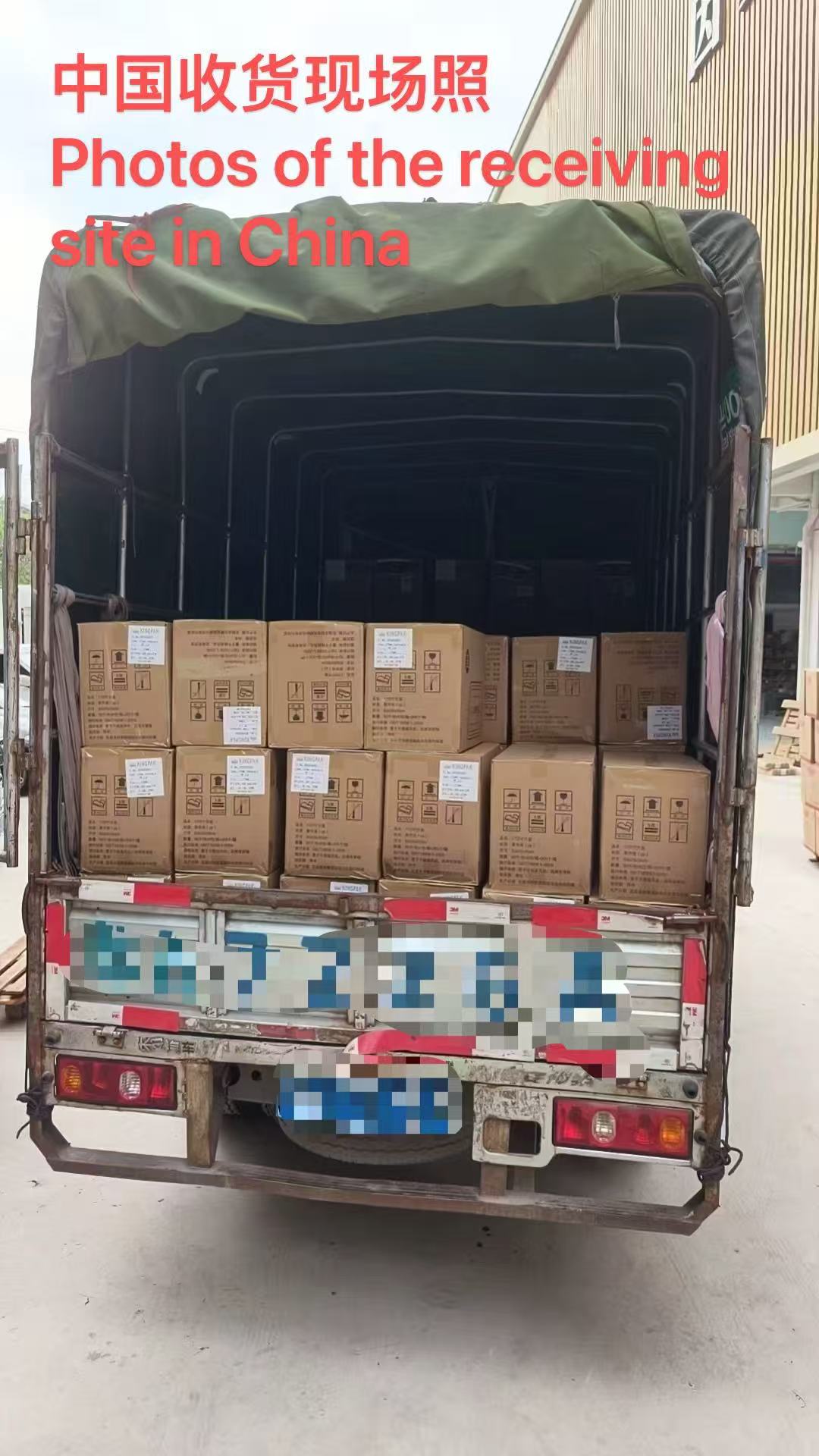
Use Cases: Sea, Land, and Air Cargo to Japan and Southeast Asia
Sea freight to Singapore and Malaysia
Ocean freight is the default for full container load and less than container load consignments where transit time is flexible. Shunhang reports sea transit of 10–18 days to Singapore and 7–15 days to Malaysia. For these routes the critical documents are the bill of lading, the commercial invoice, the packing list, and origin paperwork where preferential treatment applies. Because sea transit is measured in weeks, a documentation correction caught at origin costs almost nothing; the same correction caught at destination can cost a week.
Air freight to Japan and time-critical Southeast Asia lanes
Air freight moves the compliance window forward. Shunhang reports air transit of 1–3 days to Singapore and 2–4 days to Malaysia. When cargo can arrive within a few days, the air waybill, invoice, and packing list must be right at the moment of tender — there is no sailing window in which to fix them. This is the segment where a forwarder's documentation routine, rather than its rate card, determines whether a shipment meets its deadline.
Land and multimodal freight to mainland Southeast Asia
For Cambodia, Myanmar, Laos, Thailand, and the wider Indochina corridor, road and multimodal movements use a road consignment note alongside the standard invoice, packing list, and origin documents. Border crossings add a second clearance event, and the document set must therefore remain consistent across both the Chinese export declaration and the destination import filing.
Comparison Table: Documentation Focus by Transport Mode
The table below summarises the typical document set and the compliance pressure point for each mode on China–Japan and China–Southeast Asia lanes. It reflects standard trade documentation practice and the service scope reported by the forwarder, and is not a substitute for destination-specific regulatory advice.
| Document or Consideration | Sea Freight | Air Freight | Land Freight | Compliance Pressure Point |
|---|---|---|---|---|
| Commercial invoice | Required | Required | Required | Value and description must match the declaration |
| Packing list | Required | Required | Required | Carton and weight counts drive inspection risk |
| Transport document | Bill of lading or sea waybill | Air waybill | Road consignment note | Amendments after departure are slow and costly |
| Export customs declaration | Required | Required | Required | Filed at origin; depends on invoice and packing list accuracy |
| Origin or preferential paperwork | Where applicable | Where applicable | Where applicable | Must be requested before departure |
| Cargo insurance | Where insured | Where insured | Where insured | Declared value must match the commercial invoice |
| Permits for restricted goods | Where applicable | Where applicable | Where applicable | Highest risk for sensitive and chemical cargo |
Frequently Asked Questions
1. What export documents are typically required for sea, air, and land shipments leaving China?
A standard export set includes a commercial invoice, a packing list, a transport document, and the China export customs declaration. Sea freight uses a bill of lading or sea waybill, air freight uses an air waybill, and land freight uses a road consignment note. Origin or preferential paperwork, cargo insurance, and any permit required for restricted goods are added where the shipment, destination, or goods category calls for them. FIATA describes these customs, declaration, insurance, and documentation functions as part of the forwarding service itself, rather than as optional extras.
2. How does a 100% export-focused forwarder improve documentation and clearance reliability?
A forwarder whose business is entirely export-focused repeats the same document workflow on every shipment instead of alternating between inbound and outbound procedures. Guangzhou Shunhang International Freight Forwarding Co., Ltd., established in 2020 with approximately 30 staff, reports export business accounting for 100% of total sales, and its service scope covers booking, stowage, customs declaration, warehousing, pickup and delivery, and cargo insurance. The company also maintains long-term strategic partnerships with major shipping lines and airlines, and operates overseas warehouses totalling more than 3,000 square meters across multiple Southeast Asian countries. In practice, that combination means documentation is prepared and corrected inside one chain rather than handed between independent parties.
3. Does documentation handling change what a shipment costs?
Documentation quality affects cost indirectly rather than through a separate line item. Accurate invoices, packing lists, and declarations reduce the likelihood of inspection, storage, and re-booking, all of which generate charges after the fact. It is also worth separating responsibilities clearly at quotation stage: under a door-to-door arrangement the forwarder manages transport and clearance, but customs duties and taxes at destination remain the customer's responsibility and should be budgeted separately. Buyers comparing quotations should therefore ask what happens to cost when a document has to be corrected, not only what the base rate is.
4. Can a new shipper test the documentation process before committing to a contract?
Yes, and it is a reasonable step. A trial booking on a single lane lets a buyer verify how a forwarder prepares the invoice and packing list, how quickly the export declaration is filed, and how clearly the process is communicated before any long-term commitment. Because Shunhang runs one-stop door-to-door services across sea, land, and air to markets including the Philippines, Thailand, Cambodia, Myanmar, Laos, and Japan, a first shipment can be used to test documentation handling on the specific lane and mode the buyer actually intends to use. Buyers who want to begin with a quotation or a sample shipment can contact the team directly by email at xueyingxiasahi@hotmail.com or by phone at +86 182-1888-7283.
5. How long do documentation and clearance steps add to transit time on Southeast Asia routes?
Documentation time is absorbed into the transit window rather than added on top of it, provided the paperwork is correct. Shunhang reports sea transit of 10–18 days to Singapore and 7–15 days to Malaysia, and air transit of 1–3 days to Singapore and 2–4 days to Malaysia. On air lanes the compliance window is the tightest, because cargo can arrive within days; on sea lanes there is more margin to correct an issue, but destination storage charges accrue quickly if the documentation does not clear. The practical planning rule is to treat document preparation as a deadline that sits ahead of, not alongside, the departure date.
Conclusion
Export documentation is the part of international freight forwarding that buyers only notice when it fails. The document set itself is predictable — invoice, packing list, transport document, export declaration, origin paperwork, insurance, and permits where required — but keeping it consistent across sea, land, and air movements to Japan and Southeast Asia depends on who owns the process. A forwarder structured entirely around export freight, with established carrier relationships and overseas warehousing inside the same documentation chain, removes the handoffs where errors usually appear. For shippers in the research and evaluation stage, that is the difference worth screening for.
Next Step: Review Your Documentation Before the Next Shipment
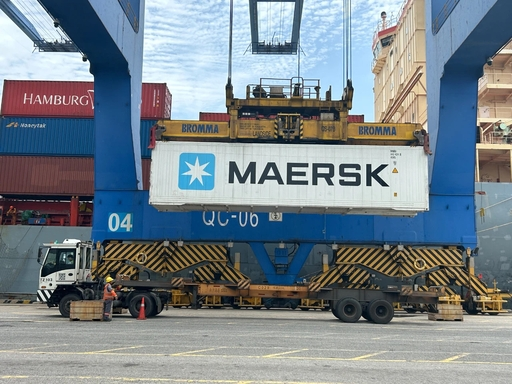
Compliance is a service responsibility, not a formality. Whether you are moving general goods, furniture, sensitive cargo, or project freight from Guangzhou to Japan or Southeast Asia, the document set should be confirmed before booking — not after.
To request a quotation, arrange a trial shipment, or review your current export documentation checklist with the team, contact Guangzhou Shunhang International Freight Forwarding Co., Ltd. by email at xueyingxiasahi@hotmail.com, by phone at +86 182-1888-7283, or via WhatsApp at +8618928711267. You can also review the company's service scope at www.sunhang-logistics.com.
Have Questions or Need More Details?
Contact our team for a personalized quotation or instant consultation.
Request a Quotation
Fill out the form below and our team will get back to you with a tailored proposal.
WhatsApp Direct Chat
Prefer to chat in real-time? Message us on WhatsApp for instant assistance & quick answers.
- Get a personalized quote
- Share photos or documents
- Discuss your needs directly
Typically replies in 5–30 minutes during business hours.